Bringing an outdated home into the 21st century requires a balance of aesthetic upgrades, functional improvements, and thoughtful planning. Many older homes have strong bones and appealing character, but they often fall short in areas like energy efficiency, layout, lighting, and modern convenience. Homeowners today want spaces that feel fresh, streamlined, and aligned with contemporary lifestyles, whether that means updated finishes, smart technology, or improved comfort. Modernizing a home does not require losing its original charm; instead, it involves enhancing the features that work well and transforming the ones that no longer serve the household.
As design trends evolve and technology becomes increasingly integrated into daily life, homeowners have more options than ever for updating their living spaces. From small adjustments to full-scale renovations, strategic improvements can dramatically change both the look and function of a home. By focusing on updates that offer lasting benefits, homeowners can create more efficient, attractive, and livable environments. The process begins with understanding key areas that typically require attention and exploring how modern techniques and materials can bring new life to an aging structure.
Upgrading Key Interior Finishes
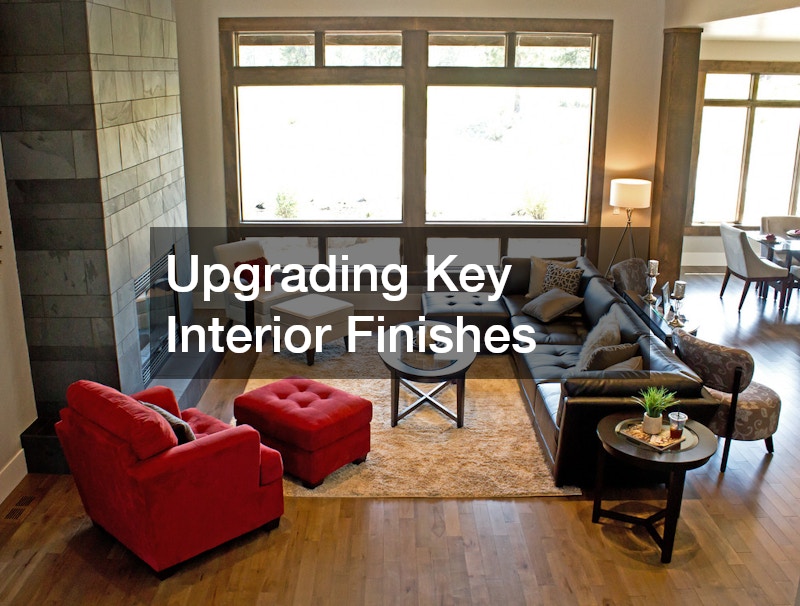
Upgrading outdated finishes is one of the most effective ways to bring a home into the modern era without committing to a major renovation. Elements like wall color, trim, hardware, and fixtures significantly influence the overall feel of a space. Replacing dated materials with clean, neutral palettes and streamlined textures helps create a cohesive and contemporary aesthetic. Many homeowners begin with paint, flooring, and updated hardware because these projects offer immediate visual impact and can be completed on a budget. Changing out old finishes also allows a space to better reflect current design trends and the homeowner’s personal style.
Many homeowners also take the opportunity to address repair needs while updating finishes, often starting with consultations from a local roofing company to ensure the home’s structure is secure before interior changes begin. Ensuring the home is protected from the outside allows interior updates to last longer and prevents issues like water damage from undermining new improvements. As finishes are replaced and refreshed, homeowners can build a strong foundation for additional modern upgrades throughout the property.
Modernizing Your Home’s Lighting Design
Lighting plays a critical role in making a home feel modern, comfortable, and functional. Older houses often rely on a small number of ceiling fixtures, leaving rooms dim or unevenly lit. Updating a lighting plan to include layered sources such as recessed lighting, sconces, pendants, and under-cabinet lights can instantly elevate a space. Modern lighting also emphasizes energy efficiency, using LED bulbs and programmable controls to reduce utility costs while enhancing ambiance. Thoughtful placement of lighting can make rooms feel larger, more open, and more aligned with contemporary design standards.
Modernizing lighting can also improve security and convenience, especially when homeowners work with specialists like a residential locksmith while upgrading entryway illumination. Enhanced exterior lighting around doors, walkways, and patios not only adds curb appeal but also supports visibility and safety. Whether updating interior fixtures or improving exterior lighting, integrating modern lighting solutions helps outdated homes feel brighter, more inviting, and better suited to today’s daily routines.
Integrating Smart Home Technology
Smart home technology has become one of the most defining features of contemporary living, offering convenience, security, and energy savings. Older homes often lack the wiring, infrastructure, or modern features needed to support today’s connected devices, but integrating these systems can make a dramatic difference. Smart thermostats, automated lighting, voice-controlled assistants, and app-connected appliances all help streamline daily routines while giving homeowners greater control over their environment. Adding these upgrades transforms an outdated home into a space that feels intuitive and future-ready.
When incorporating smart features, many homeowners coordinate these updates with other renovation projects, such as working with a bathroom remodeling service to integrate modern lighting controls or water-efficient fixtures. Combining technological advancements with aesthetic improvements allows the home to feel cohesive and thoughtfully updated. From convenience to long-term value, smart home features help bridge the gap between traditional design and 21st-century expectations.
Refreshing Outdated Kitchen Features
Kitchens tend to show their age more quickly than other parts of a home, making them a top priority for modernization. Replacing outdated cabinets, countertops, flooring, and appliances can revitalize the entire space. Modern kitchens emphasize clean lines, functional layouts, and high-performance materials that make cooking and gathering more enjoyable. Even smaller updates like swapping hardware, repainting cabinets, or adding a backsplash can significantly improve the room’s visual appeal. Because the kitchen is often the heart of the home, updating it delivers both aesthetic and practical benefits.
Homeowners ready for a more transformative update often consult a cabinet designer to maximize storage, improve efficiency, and create a contemporary layout. Custom cabinetry can make better use of limited space while introducing modern finishes and features that suit the homeowner’s lifestyle. Whether making small improvements or planning a full remodel, refreshing kitchen elements helps bring an aging home into the present and enhances overall livability.
Transforming Old Bathrooms With Contemporary Elements

Bathrooms are another area where outdated materials and fixtures can make a home feel stuck in the past. Modern bathroom design focuses on clean surfaces, efficient layouts, and spa-like touches that enhance comfort and appearance. Updating items such as vanities, lighting, tile, and plumbing fixtures can greatly improve functionality while giving the space a polished, contemporary look. Additional upgrades—like walk-in showers, floating vanities, or improved ventilation—contribute to both style and long-term durability. These changes help transform bathrooms from purely functional areas into relaxing, modern retreats.
During bathroom updates, homeowners may also work with a local septic system service to ensure the home’s plumbing infrastructure can support new fixtures or increased water flow. Addressing the home’s underlying systems before completing aesthetic upgrades protects the investment and prevents future complications. With thoughtful planning and modern design elements, even the most outdated bathroom can become a standout feature in a 21st-century home.
Improving Energy Efficiency Throughout the Home
Energy efficiency has become a major priority for homeowners who want to modernize older properties. Many outdated homes were built before current insulation standards, efficient HVAC systems, or airtight construction practices were common. As a result, they often experience drafts, fluctuating temperatures, and higher utility bills. Upgrading insulation, sealing gaps around windows and doors, and replacing inefficient appliances can greatly improve comfort and reduce long-term energy costs. Modern energy improvements not only make a home feel more updated, but they also increase resale value and support a more sustainable lifestyle.
A significant part of improving efficiency involves maintaining and updating essential mechanical components, such as addressing issues related to a garage door spring that may no longer function properly. A worn or damaged spring can impact both insulation and security, especially in garages attached to living areas. Repairing or upgrading these elements ensures the home remains safe while also reducing energy loss. By combining mechanical improvements with structural updates, homeowners can dramatically enhance overall efficiency and create a more comfortable, modern environment.
Enhancing Curb Appeal With Modern Updates
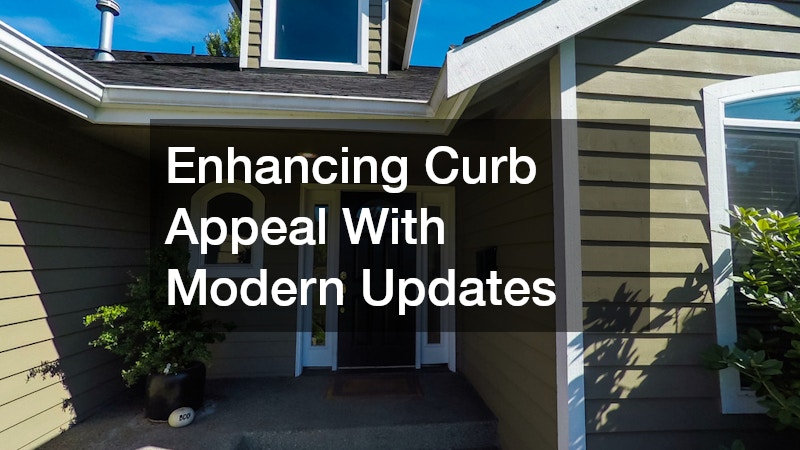
The exterior of a home plays a critical role in making it feel current and inviting. Older homes often show their age through worn siding, outdated landscaping, faded paint, or architectural elements that no longer reflect modern aesthetics. Enhancing curb appeal may include repainting the exterior, replacing old fixtures, installing updated house numbers, or refreshing the landscaping with clean, minimalist designs. These improvements help create a welcoming first impression and signal that the property has been thoughtfully maintained.
In addition to aesthetic changes, homeowners may also modernize comfort and lifestyle elements outside the home, such as upgrading outdoor relaxation spaces or incorporating features inspired by visits to a local mattress shop, where they may gather ideas for improving comfort in bedrooms connected to outdoor areas. A refreshed exterior can tie together exterior and interior design changes, creating a cohesive and modern look. By focusing on both visual appeal and functional enhancements, homeowners can transform outdated exteriors into contemporary, attractive spaces that complement the rest of the home.
Reimagining Your Home’s Interior Layout
Many older homes were built with closed-off rooms and compartmentalized layouts that feel restrictive by today’s standards. Reimagining the interior layout can open the space, improve flow, and help the home better accommodate modern lifestyles. Removing unnecessary walls, expanding doorways, and creating multifunctional living areas make the home feel larger and more connected. These changes also allow for more natural light, improved sightlines, and greater flexibility in furniture placement. Modern design often prioritizes spaciousness and continuity, making layout updates one of the most transformative changes for an outdated home.
Homeowners considering more extensive interior updates sometimes collaborate with an inground pool contractor when expanding the backyard connection or creating indoor-outdoor living spaces. This broader reimagining ensures the home feels harmonious both inside and out, blending architectural improvements with enhanced lifestyle features. Updating the layout can completely shift how a home functions, making it more enjoyable, adaptable, and aligned with the expectations of 21st-century living.
Replacing Dated Flooring Materials
Flooring has a significant impact on how modern or outdated a home feels, especially in older properties where carpeting, vinyl tiles, or worn hardwood may no longer meet current standards. Replacing dated flooring with contemporary materials such as luxury vinyl plank, engineered hardwood, large-format tile, or polished concrete can dramatically update the look of any room. Modern flooring options offer improved durability, easier maintenance, and a wider range of colors and textures that complement 21st-century design. By choosing materials that balance style and practicality, homeowners can refresh the entire home without altering its structural layout.
In many cases, flooring updates require coordination with professionals who understand the electrical systems beneath or around these surfaces, which is why some homeowners consult electrical contractors before beginning major installations. Ensuring that wiring, outlets, and lighting systems are safe and up to code protects both the new flooring and the overall integrity of the project. When combined with updated finishes and an improved layout, replacing flooring becomes one of the most effective ways to bring an outdated home fully into the modern era.
Incorporating Minimalist and Clean Design Principles
Minimalist design has become increasingly popular as homeowners seek simplicity, functionality, and visual calm within their living spaces. Older homes often contain heavy trim, ornate fixtures, and overly detailed décor that can make rooms feel cluttered or outdated. Incorporating minimalist principles involves streamlining color palettes, choosing sleek fixtures, and reducing unnecessary ornamentation. This approach highlights open space, natural light, and clean architectural lines, creating a sense of modern balance throughout the home. By focusing on intentional choices rather than excess, homeowners achieve a more timeless and harmonious aesthetic.
This shift toward simplicity and accessibility can also include the thoughtful addition of mobility equipment, particularly for households planning for long-term comfort or accommodating loved ones with varying physical needs. Integrating features like discreet handrails, low-threshold transitions, or wider walkways ensures the home remains functional and welcoming without compromising design. Modern accessibility elements blend seamlessly with minimalist interiors, demonstrating that practicality and style can coexist. By embracing these principles, homeowners create spaces that feel contemporary, adaptable, and refined.
Updating an outdated home for the 21st century is a transformative journey that blends aesthetic improvements, functional upgrades, and thoughtful design choices. While older homes often possess charm and character, they may require strategic modernization to align with today’s expectations for comfort, efficiency, and visual appeal. Whether the goal is to refresh key finishes, integrate smart technology, open the layout, or bring in more natural light, each update contributes to a more cohesive and livable environment. These enhancements not only improve day-to-day comfort but also increase the home’s long-term value and appeal to future buyers.
Throughout the process, homeowners benefit from approaching renovations with both creativity and practicality. Addressing foundational systems alongside visual upgrades helps prevent future issues and ensures that modern features perform at their best. Updating kitchens, bathrooms, flooring, and lighting helps create a consistent, contemporary feel, while improvements to energy efficiency and exterior design elevate the home’s overall performance and appearance. By incorporating minimalist principles, accessible design, and high-quality materials, homeowners can craft spaces that look fresh and function beautifully.
Ultimately, bringing an outdated home into the modern era is about more than following trends; it is about creating a living space that reflects current lifestyles, supports long-term needs, and offers comfort for years to come. With intentional planning and well-chosen upgrades, any older home can be thoughtfully transformed into a stylish, efficient, and welcoming place that truly belongs in the 21st century.